Cathay Pacific Sustainability Initiatives: At the forefront in Eco-Friendly Travel
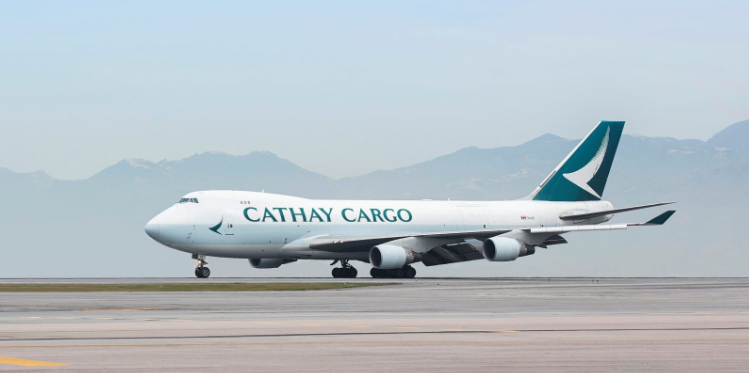
As the global demand for air travel continues to rise, the aviation industry’s environmental impact has come under increasing scrutiny. Addressing this challenge, Cathay Pacific has positioned itself as a leader in sustainable aviation. The Hong Kong-based airline has implemented an extensive set of initiatives aimed at reducing its h2o and impact, enhancing in business efficiency, and promoting eco-friendly travel practices. This blog explores Cathay Pacific’s complex approach to sustainability and its commitment to by using a greener future for the aviation industry.
- H2o and Neutrality Goals and Achievements
Cathay Pacific has committed to achieving net-zero h2o and emissions by 2050, aligning with the global aviation industry’s climate targets. This ambitious goal Taipei to Singapore underscores the airline’s dedication to environmental stewardship and demonstrates its aggressive approach to mitigating the impact of its operations on the climate.
To make this happen, Cathay Pacific has implemented a robust h2o and reduction strategy that includes navy modernization, sustainable aviation fuels (SAF), and h2o and offsetting initiatives. The airline’s navy rebirth program plays an important role in reducing emissions, as newer planes are made to are more fuel-efficient and produce fewer emissions compared to their predecessors. By investing in next-generation planes like the Airbus A350 and Boeing 777X, Cathay Pacific aims to significantly lower its h2o and impact.
Additionally, Cathay Pacific is a leading in the adopting of sustainable aviation fuels. SAFs are created from renewable sources, such as squander and non-food crops, and can reduce lifecycle h2o and emissions by up to 80% compared to traditional jet fuel. The airline has been try really hard to involved in promoting the development and use of SAFs through collaborations with industry partners and stakeholders, indicating its commitment to innovation and sustainability.
- Sustainable Aviation Fuels (SAF)
One of the building block initiatives in Cathay Pacific’s sustainability strategy is the adopting of Sustainable Aviation Fuels. The airline has recognized SAF as offering to reward in reducing aviation’s h2o and impact and has been a music advocate for its development and usage.
Cathay Pacific’s involvement in SAF is exemplified by its involvement in groundbreaking SAF projects. In 2016, the airline made history by operating the at best biofuel flight from the united states to Hong Kong using a blend of traditional jet fuel and SAF derived from squander. This landmark flight demonstrated the feasibility of SAF in long-haul operations and set a precedent for future interests in the industry.
To help expand its SAF agenda, Cathay Pacific has built partners with leading SAF producers and stakeholders. The airline’s investment in Fulcrum BioEnergy, a You. S. -based company devoted to changing city and county solid waste into low-carbon jet fuel, highlights its commitment to securing a sustainable fuel supply. Through such collaborations, Cathay Pacific aims to scale up SAF production and make it a viable alternative to conventional jet fuel, thereby adding to the reduction of greenhouse gas emissions in aviation.
- H2o and Offsetting and Voluntary Programs
Beyond navy modernization and SAF, Cathay Pacific has changed robust h2o and offsetting programs to treat its continuing emissions. These programs allow the airline to compensate for its h2o and impact by investing in projects that reduce or remove greenhouse fumes from the atmosphere.
Cathay Pacific’s Fly Greener program is a prime example of its commitment to h2o and offsetting. Launched in 2007, Fly Greener enables passengers to of your accord offset the h2o and emissions generated by their routes. The program supports a diverse choice of h2o and offset projects, including reforestation, renewable energy, and community-based initiatives. By offering this option to travelers, Cathay Pacific encourages its customers to make eco-friendly choices and contribute to global sustainability efforts.
In addition to voyager offsetting, Cathay Pacific has integrated h2o and offsetting into its products operations. The airline’s Cathay Pacific Products H2o and Offset Program allows customers to reduce the effects of the emissions associated with their products shipments. This effort demonstrates the airline’s of utilizing holistic approach to sustainability, extending its environmental responsibilities beyond voyager am add the shipping sector.
- Waste Management and These recycling Initiatives
Cathay Pacific in addition has made significant strides in waste management and these recycling, recognizing benefit of reducing the environmental impact of its ground operations and in-flight services. The airline has implemented comprehensive waste reduction strategies to address the issue of single-use parts and promote these recycling.
In 2019, Cathay Pacific pledged to eliminate single-use parts from its operations by 2023. This ambitious target involved phasing out over 200 million waste plastic knives, straws, stirrers, and glasses from its routes. The airline has since introduced sustainable alternatives made from biodegradable materials, indicating its commitment to reducing plastic waste.
Furthermore, Cathay Pacific has changed innovative these recycling programs to manage waste more effectively. The airline’s “Sustainable Flight” effort includes measures to reduce waste through better meal planning and efficient use of resources. In-flight these recycling programs have been implemented to accumulate and delete waste generated during routes, including paper, plastic, and aluminum cups. These efforts contribute to the airline’s bigger goal of achieving a zero-waste policy ultimately.
- Energy Efficiency and In business Improvements
Energy efficiency is a critical part of Cathay Pacific’s sustainability strategy. The airline has committed to cutting-edge technologies and processes to improve its operations and reduce energy consumption.
One key area of focus is the improvement of flight operations through advanced data analytics and software solutions. Cathay Pacific has implemented systems that analyze flight data to name opportunities for fuel savings and improve flight paths. By profiting real-time data, the airline can reduce fuel burn, minimize emissions, and enhance overall in business efficiency.
Additionally, Cathay Pacific has undertaken initiatives to enhance the vitality efficiency of its ground operations. The airline’s headquarters, Cathay Pacific City, has received recognition for its green building design, incorporating features such as energy-efficient lighting, water efficiency systems, and sustainable building materials. These measures reflect Cathay Pacific’s commitment to integrating sustainability into all facets of its operations, from flight operations to ground facilities.
- Community Proposal and Environmental Advocacy
Cathay Pacific’s sustainability efforts extend beyond its in business practices to include active community proposal and environmental advocacy. The airline understands benefit of collaboration and partners in addressing global environmental challenges and has taken a aggressive role to promote sustainability within the aviation industry and beyond.
Through its corporate social responsibility initiatives, Cathay Pacific supports a range of community-based environmental projects. The airline has joined with local organizations to promote efficiency efforts, protect biodiversity, and raise awareness about environmental issues. For example, Cathay Pacific has been involved in projects to protect underwater life in Hong Kong waters and support reforestation efforts in Asia.
Moreover, Cathay Pacific is a founding member of the Aviation Climate Taskforce, an industry-led effort aimed at augmenting the development and deployment of new technologies to reduce aviation’s climate impact. By working together with other flight companies, manufacturers, and stakeholders, Cathay Pacific is adding to the advancement of sustainable aviation solutions on a global scale.
Conclusion
Cathay Pacific’s sustainability initiatives exemplify its command in eco-friendly travel and its commitment to a greener future for aviation. Via a comprehensive approach that includes h2o and reduction, sustainable fuels, waste management, energy efficiency, and community proposal, the airline is setting new standards for environmental responsibility in the industry. As Cathay Pacific continues to innovate and drive progress in sustainable aviation, it serves as a model for other flight companies seeking to balance growth with environmental stewardship.
You May Also Like

Menang138: Building Confidence Through New Opportunities

The Power of Preparation, Opportunity, and Inspiration in Bos555
